Dallas Metro / North Texas
(214) 710-1028

Men Are More Prone to Getting Gout

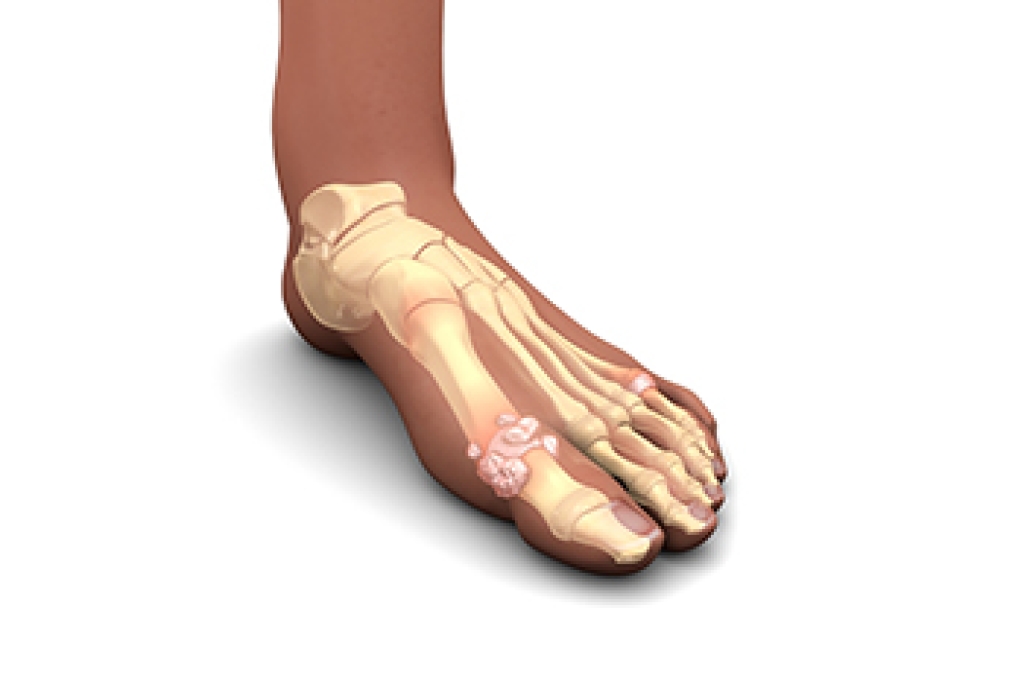
Anyone is at risk for getting the foot condition that is known as gout, despite it being more prevalent among men. The chances may increase in women after menopause, and it generally does not happen before then. Existing medical conditions may lead to developing gout, including obesity, alcoholism, and high blood pressure. A genetic history may also contribute to getting gout, in addition to eating foods that have high levels of purines. These types of foods consist of red meat, shellfish, and drinks that are made with large amounts of sugar. The purines convert to uric acid in the blood, and excess uric acid turns to crystals which can lodge in the joints of the big toe. This can cause debilitating pain, and it may be so severe it can be difficult to walk up steps. If you have had one or more bouts of gout, it is strongly suggested that you are under the care of a podiatrist who can effectively treat this condition.

Gout is a foot condition that requires certain treatment and care. If you are seeking treatment, contact Kellvan Cheng, DPM from Elite Foot & Ankle. Our doctor will treat your foot and ankle needs.

What Is Gout?

Gout is a type of arthritis caused by a buildup of uric acid in the bloodstream. It often develops in the foot, especially the big toe area, although it can manifest in other parts of the body as well. Gout can make walking and standing very painful and is especially common in diabetics and the obese.

People typically get gout because of a poor diet. Genetic predisposition is also a factor. The children of parents who have had gout frequently have a chance of developing it themselves.

Gout can easily be identified by redness and inflammation of the big toe and the surrounding areas of the foot. Other symptoms include extreme fatigue, joint pain, and running high fevers. Sometimes corticosteroid drugs can be prescribed to treat gout, but the best way to combat this disease is to get more exercise and eat a better diet.

If you have any questions, please feel free to contact our office located in Carrollton, TX . We offer the newest diagnostic and treatment technologies for all your foot care needs.

Read more about Everything You Need to Know About Gout

Toe Walking in Children

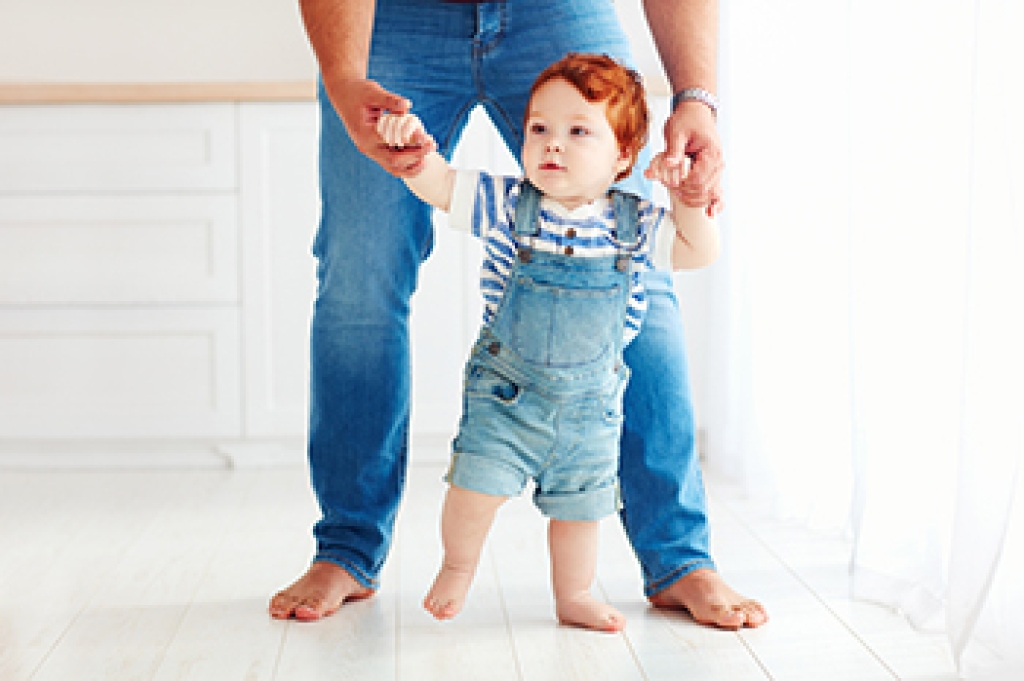
Children’s health is a significant concern for parents, as it should be. The health of children’s feet is no exception. Children under age two commonly walk on the balls of their feet instead of with their heels touching the ground. This is known as toe walking. Most children will graduate from this gait pattern and walk heel-to-toe. If a child continues to walk this way, they might develop tight calf muscles, and walking in a typical way will become harder to learn. There is no known reason why a child may prefer to walk on their toes past young toddler age. However, if a youngster has certain conditions, such as cerebral palsy, muscular dystrophy, a spinal cord abnormality, or autism, this way of walking is more likely. To rule out any reasons for concern if your child toe walks, it is suggested that you consult with a podiatrist who can do an examination and discuss anything of significance.

The health of a child’s feet is vital to their overall well-being. If you have any questions regarding foot health, contact Kellvan Cheng, DPM of Elite Foot & Ankle. Our doctor can provide the care you need to keep you pain-free and on your feet.

Tips for Keeping Children's Feet Healthy

  • Make sure their shoes fit properly
  • Look for any signs of in-toeing or out-toeing
  • Check to see if they have Clubfoot (condition that affects your child’s foot and ankle, twisting the heel and toes inward) which is one of the most common nonmajor birth defects.
  • Lightly cover your baby’s feet (Tight covers may keep your baby from moving their feet freely, and could prevent normal development)
  • Allow your toddler to go shoeless (Shoes can be restricting for a young child’s foot)
  • Cut toenails straight across to avoid ingrown toenails
  • Keep your child’s foot clean and dry
  • Cover cuts and scrapes. Wash any scratches with soap and water and cover them with a bandage until they’ve healed.

If you have any questions, please feel free to contact our office located in Carrollton, TX . We offer the newest diagnostic and treatment technologies for all your foot care needs.
Read more about How to Care for Your Child's Feet

Do Your Child's Feet Hurt?

Have your child's feet been examined lately? Healthy feet are happy feet. If your child is complaining of foot pain, it may be a sign of underlying problems.

Walking Abnormalities

A walking abnormality is when the walking gait is abnormal in some way. Diseases, injuries, or genetic factors may contribute to an abnormal walking pattern. Altered walking can further cause harm to muscles, bones, and nerves in the lower extremities and rest of the body. Depending on the severity of the walking abnormality, and how long it endures, different treatments are suggested. Walking abnormally can present itself as walking with the head and neck thrust forward, and walking with the legs bent. Additionally, it may be evident as the knees and thighs cross over each other in a scissor-like fashion, or the feet may drag while walking. Even a limp is considered to be a walking abnormality. If you find that your gait is altered and you do not know why, it is suggested that you visit a podiatrist for an examination and diagnosis so you can be on the road to recovery.

If you have any concerns about your feet, contact Kellvan Cheng, DPM from Elite Foot & Ankle. Our doctor can provide the care you need to keep you pain-free and on your feet.

Biomechanics in Podiatry

Podiatric biomechanics is a particular sector of specialty podiatry with licensed practitioners who are trained to diagnose and treat conditions affecting the foot, ankle and lower leg. Biomechanics deals with the forces that act against the body, causing an interference with the biological structures. It focuses on the movement of the ankle, the foot and the forces that interact with them.

A History of Biomechanics

  • Biomechanics dates back to the BC era in Egypt where evidence of professional foot care has been recorded.
  • In 1974, biomechanics gained a higher profile from the studies of Merton Root, who claimed that by changing or controlling the forces between the ankle and the foot, corrections or conditions could be implemented to gain strength and coordination in the area.

Modern technological improvements are based on past theories and therapeutic processes that provide a better understanding of podiatric concepts for biomechanics. Computers can provide accurate information about the forces and patterns of the feet and lower legs.

Understanding biomechanics of the feet can help improve and eliminate pain, stopping further stress to the foot.

If you have any questions please feel free to contact our office located in Carrollton, TX . We offer the newest diagnostic and treatment technologies for all your foot and ankle needs.

Read more about The Importance of Biomechanics in Podiatry

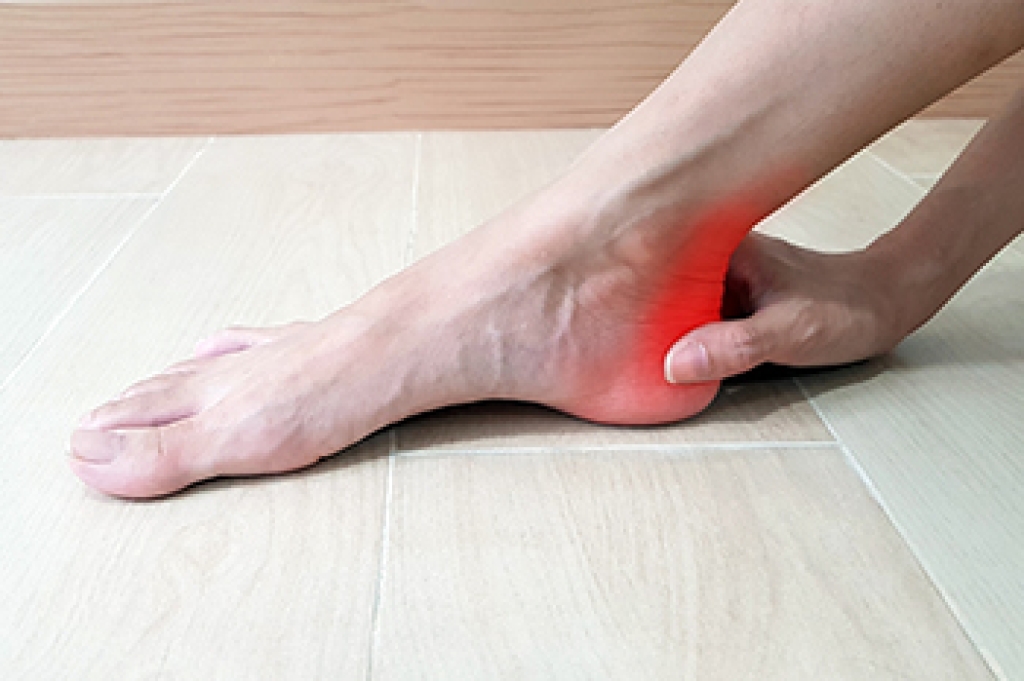
Achilles Tendon Rupture Test

There are many different types of Achilles tendon injuries. For example, a common type of Achilles tendon injury is known as an Achilles tendon rupture. This condition can occur when the tendon above the heel is disrupted partially or entirely. A medical professional can perform specific tests that can determine whether or not an individual has an Achilles tendon rupture. Namely, the Matles test advises that if a patient cannot easily stand on their tiptoes, it may indicate an Achilles tendon rupture. Additionally, the Simmonds–Thompson test can be performed when a medical professional squeezes the calf muscle. If there is no downward motion in the foot, this may also indicate an Achilles tendon rupture has occurred. If you are someone that thinks they may be living with an Achilles tendon injury, it is suggested that you schedule an appointment with a podiatrist today.

Achilles tendon injuries need immediate attention to avoid future complications. If you have any concerns, contact Kellvan Cheng, DPM of Elite Foot & Ankle. Our doctor can provide the care you need to keep you pain-free and on your feet.

What Is the Achilles Tendon?

The Achilles tendon is a tendon that connects the lower leg muscles and calf to the heel of the foot. It is the strongest tendon in the human body and is essential for making movement possible. Because this tendon is such an integral part of the body, any injuries to it can create immense difficulties and should immediately be presented to a doctor.

What Are the Symptoms of an Achilles Tendon Injury?

There are various types of injuries that can affect the Achilles tendon. The two most common injuries are Achilles tendinitis and ruptures of the tendon.

Achilles Tendinitis Symptoms

  • Inflammation
  • Dull to severe pain
  • Increased blood flow to the tendon
  • Thickening of the tendon

Rupture Symptoms

  • Extreme pain and swelling in the foot
  • Total immobility

Treatment and Prevention

Achilles tendon injuries are diagnosed by a thorough physical evaluation, which can include an MRI. Treatment involves rest, physical therapy, and in some cases, surgery. However, various preventative measures can be taken to avoid these injuries, such as:

  • Thorough stretching of the tendon before and after exercise
  • Strengthening exercises like calf raises, squats, leg curls, leg extensions, leg raises, lunges, and leg presses

If you have any questions please feel free to contact our office located in Carrollton, TX . We offer the newest diagnostic tools and technology to treat your foot and ankle needs.

Read more about What are Achilles Tendon Injuries
Connect with us